+91 80120 13333 | +91 99429 58899

What Businesses Should Know Before Installing Commercial Rooftop Solar Systems

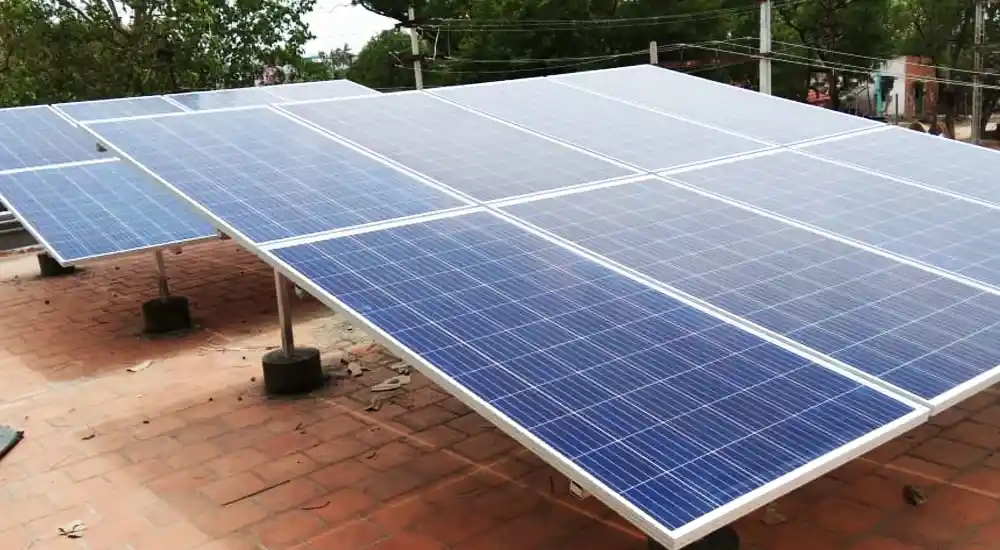
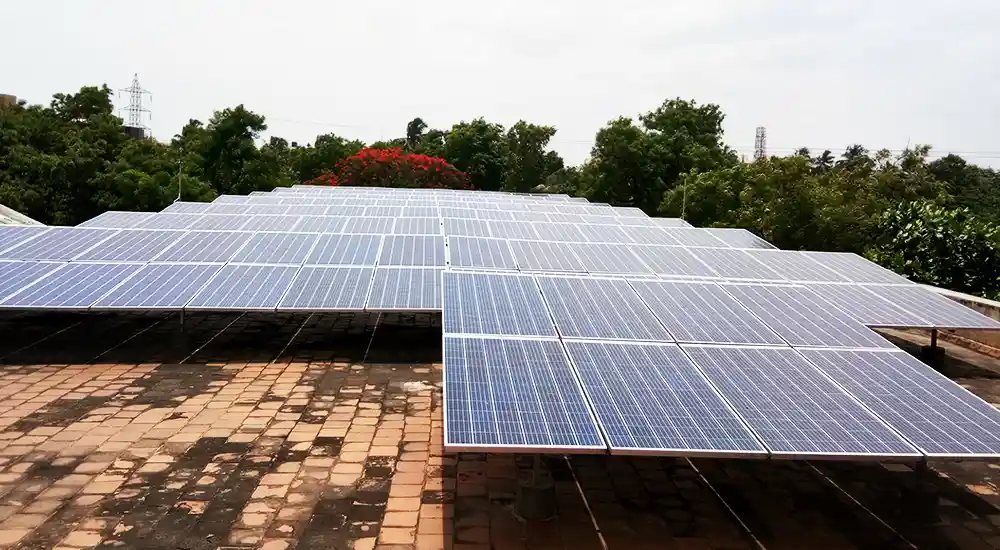
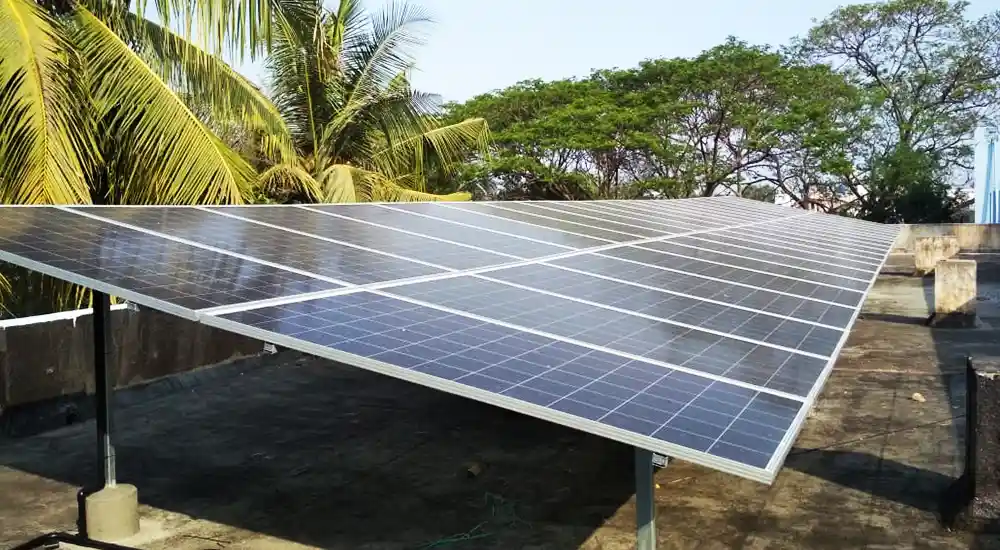
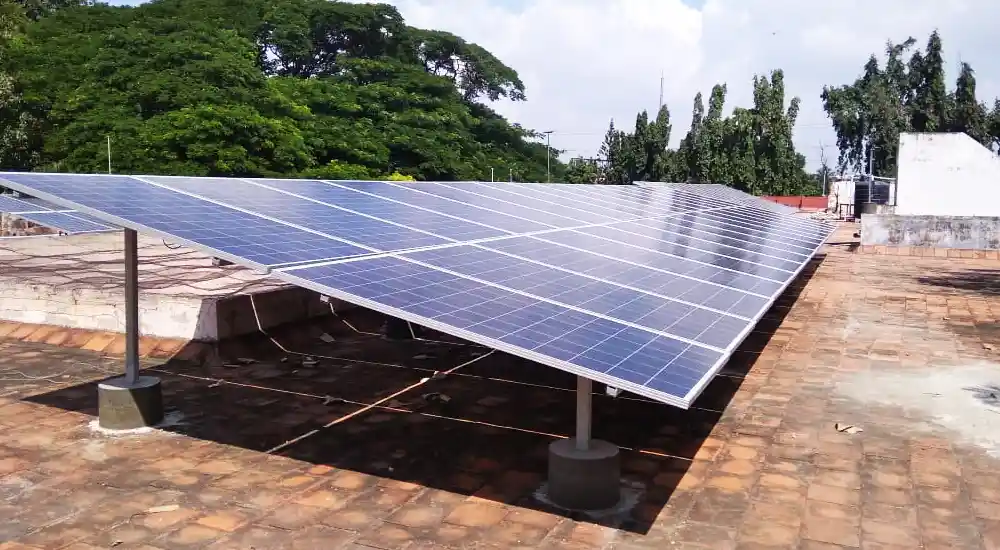
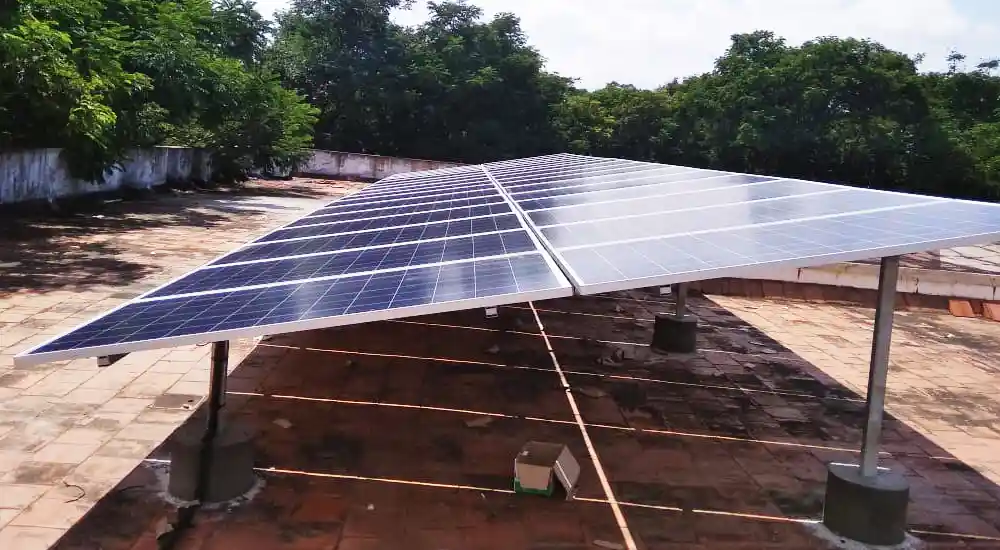
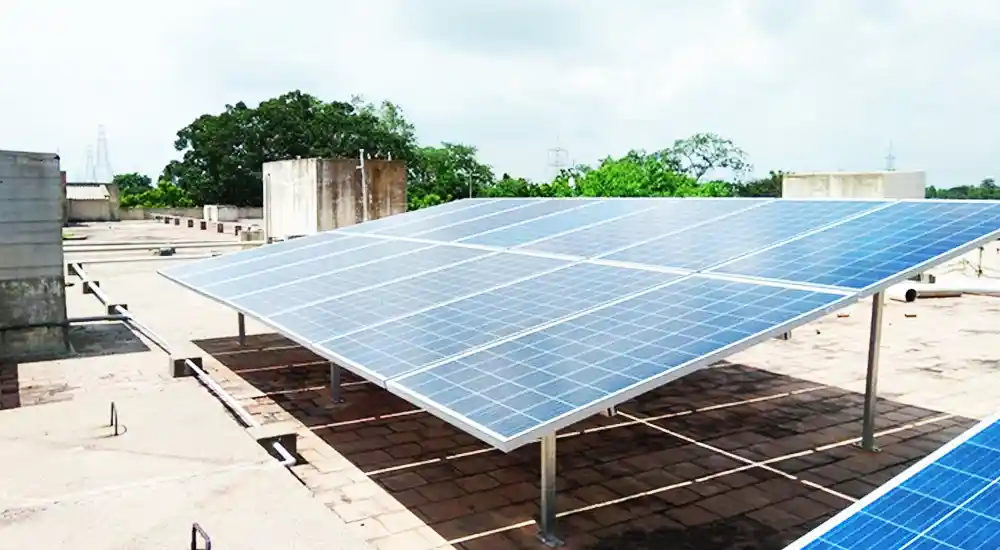
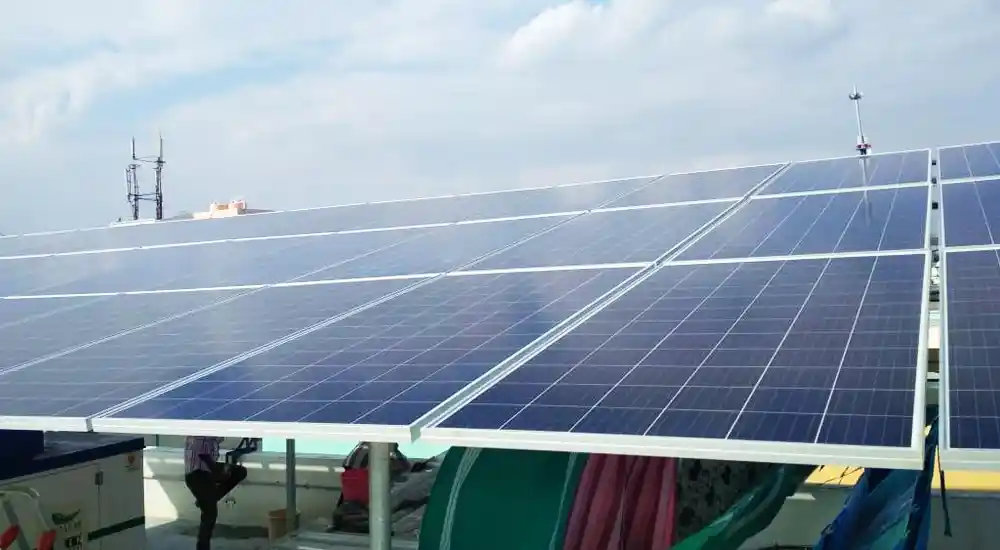
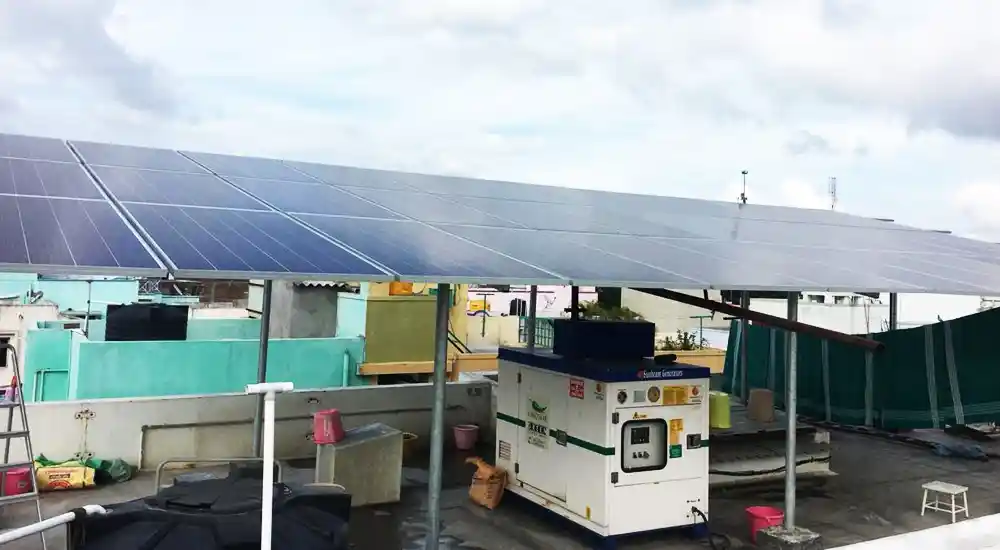
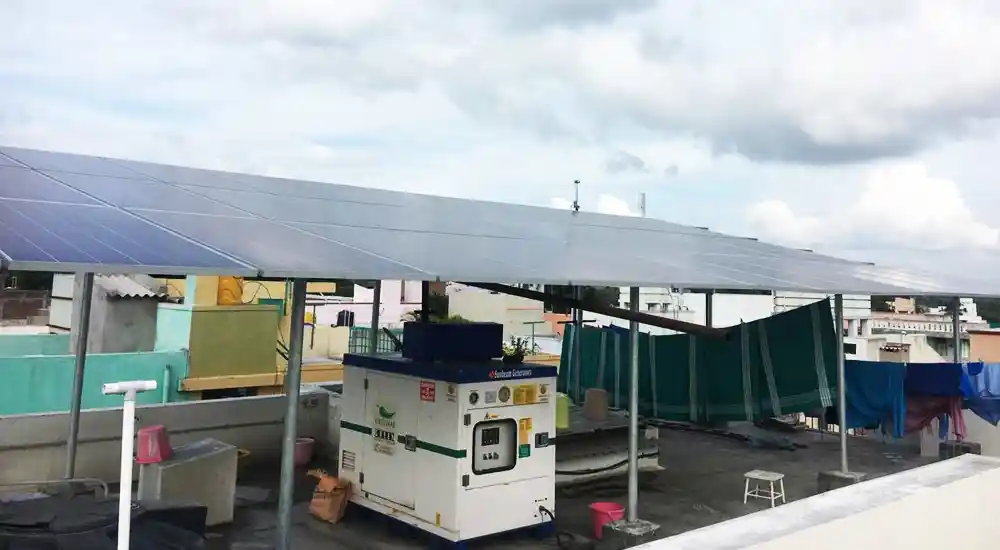
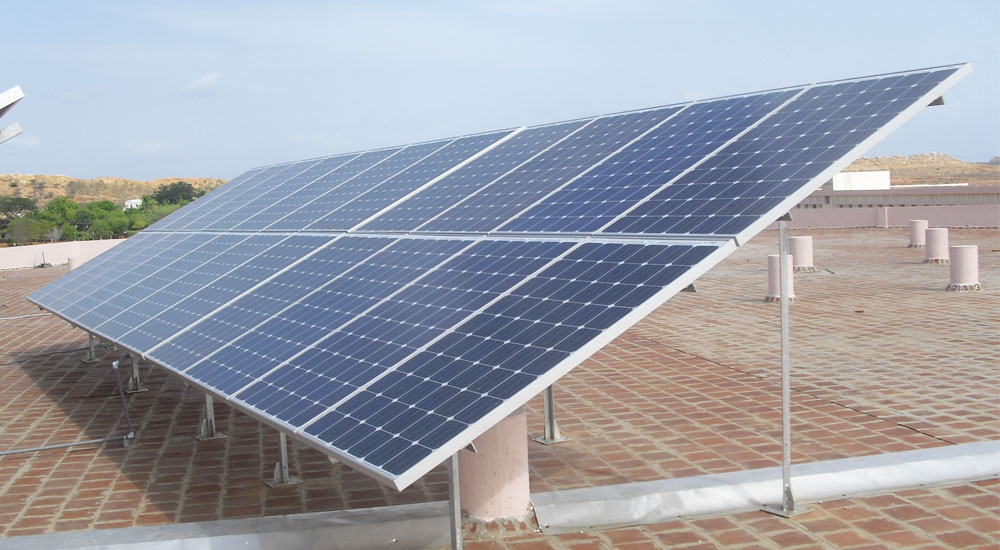
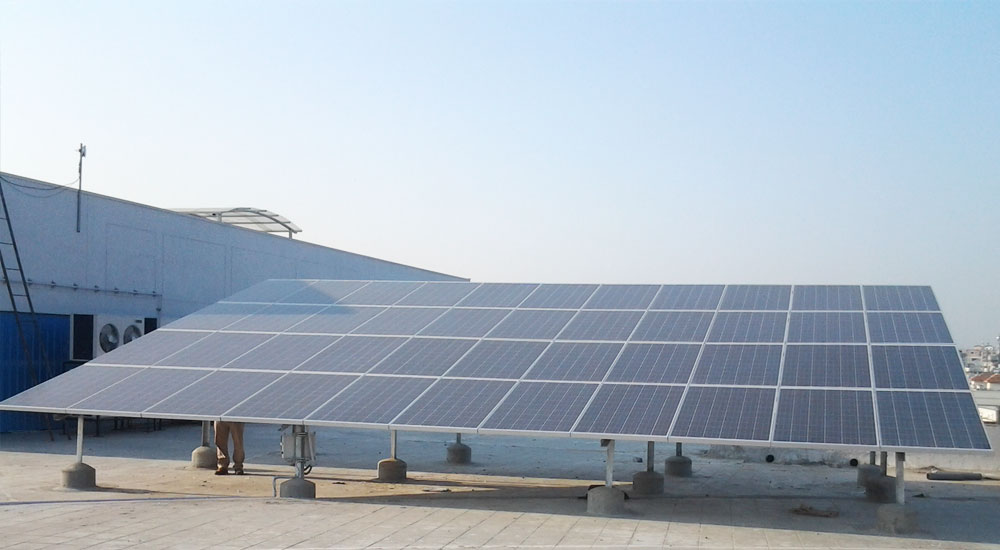
Commercial Rooftop

The Many Benefits of Commercial Rooftop Solar Systems

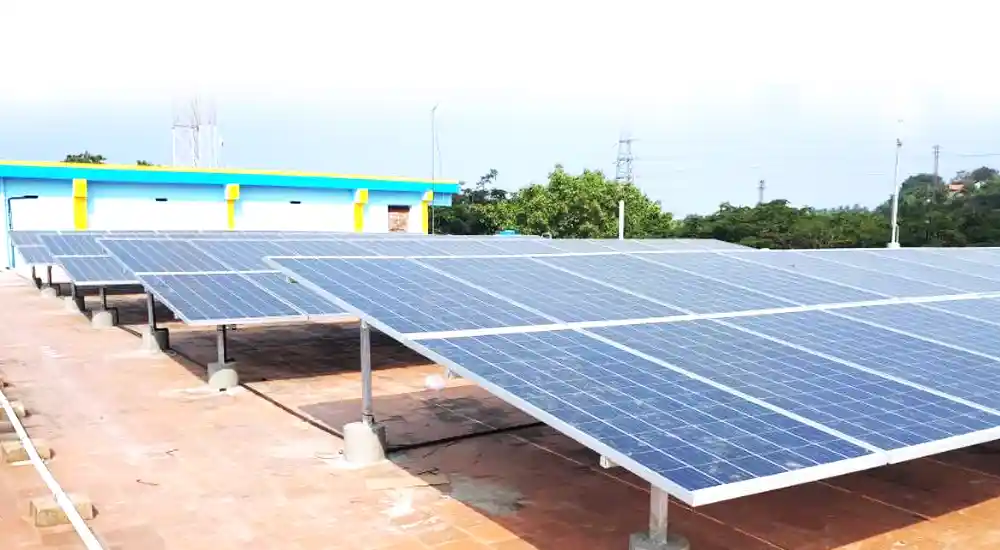
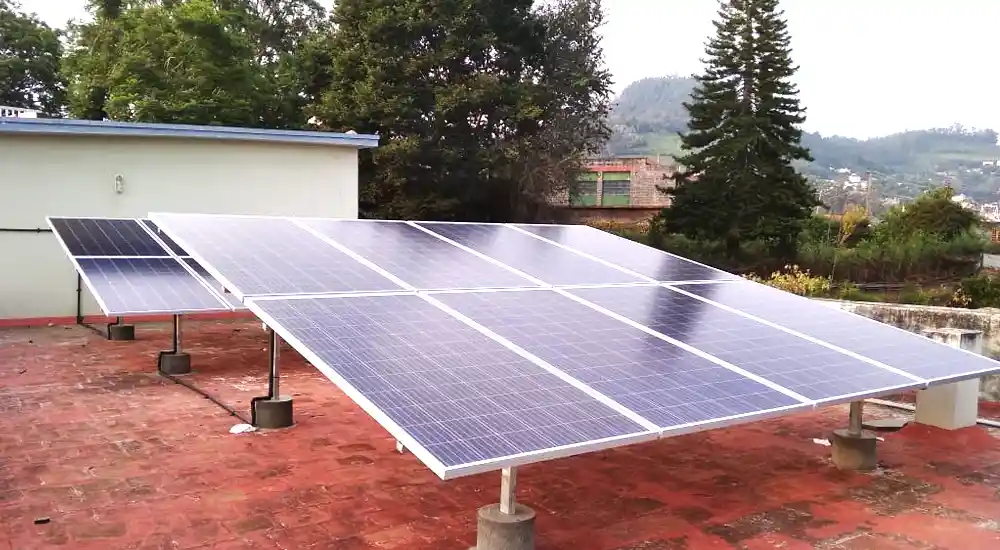
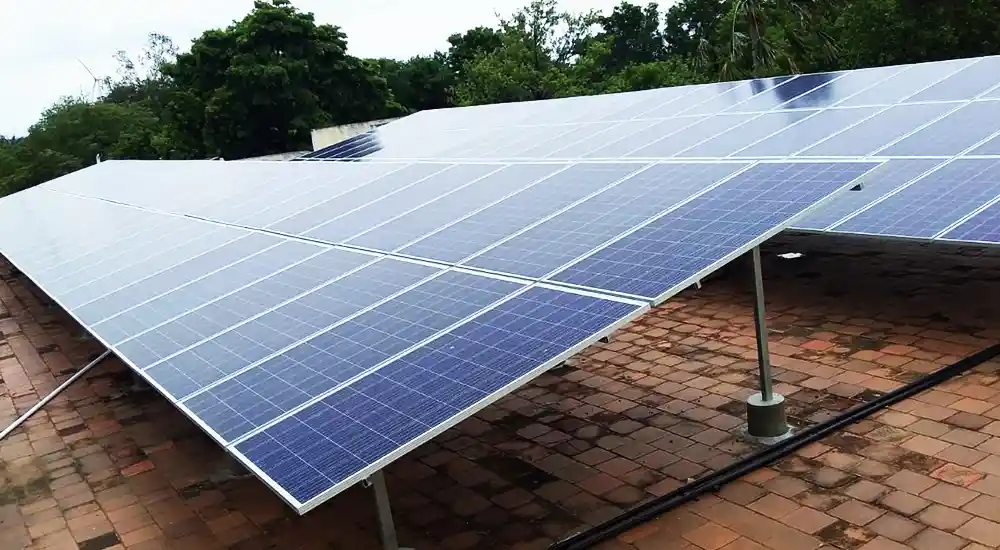
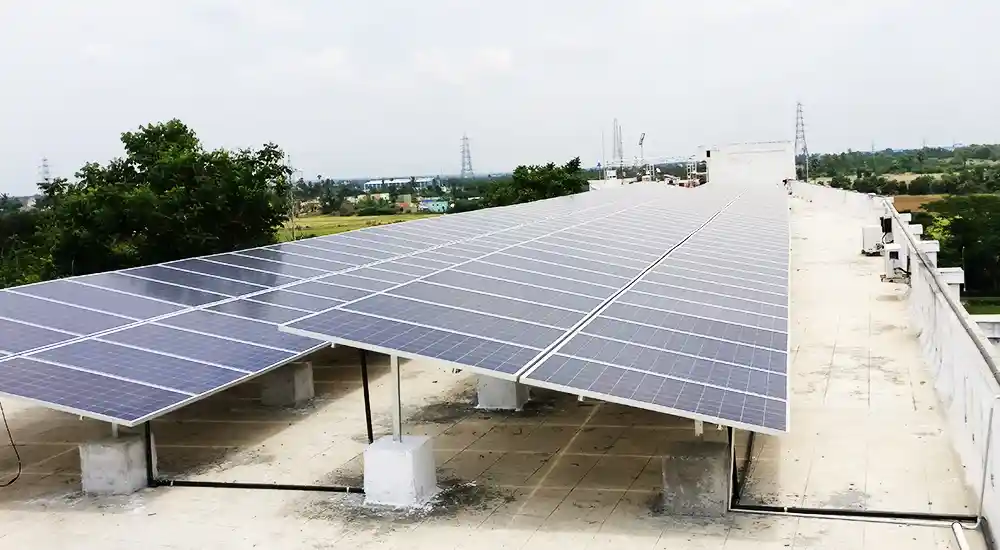
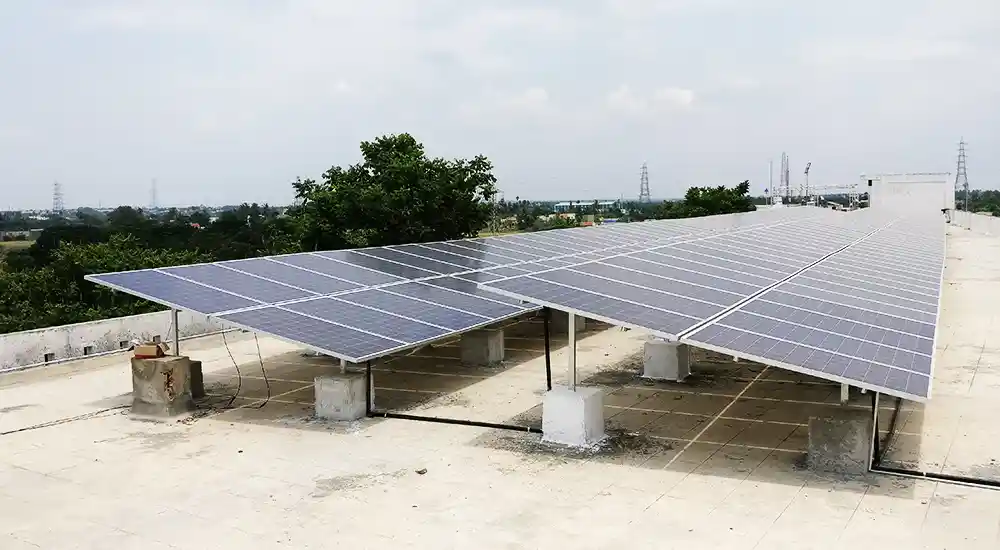
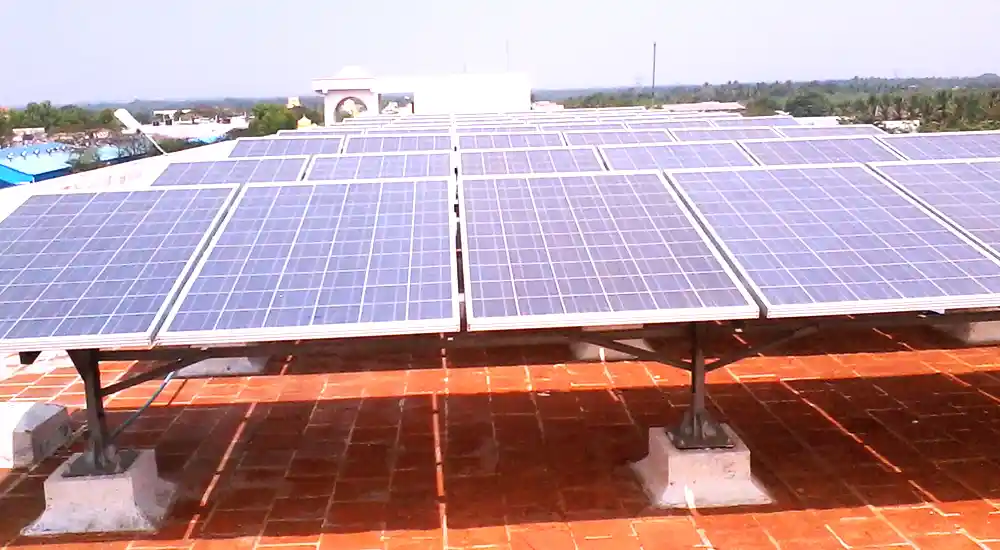
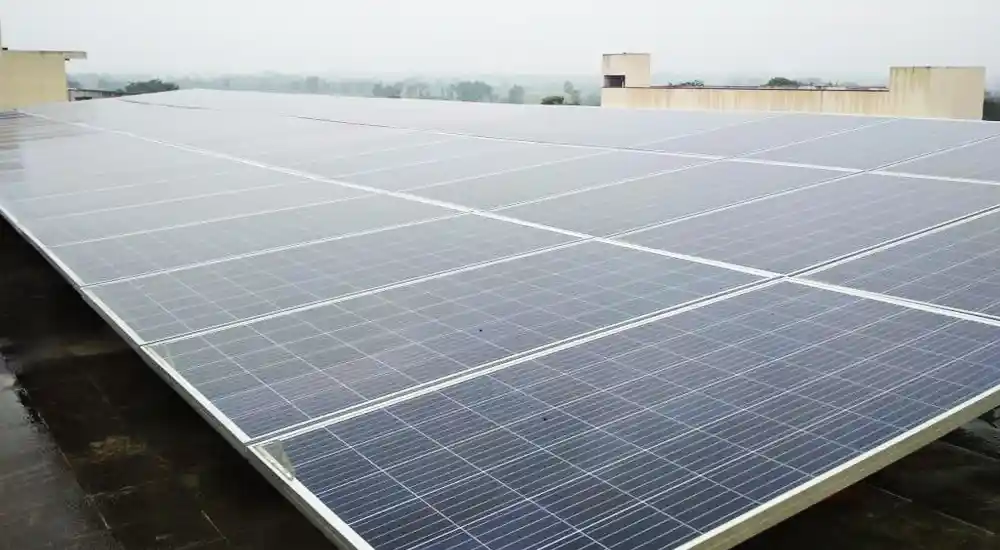
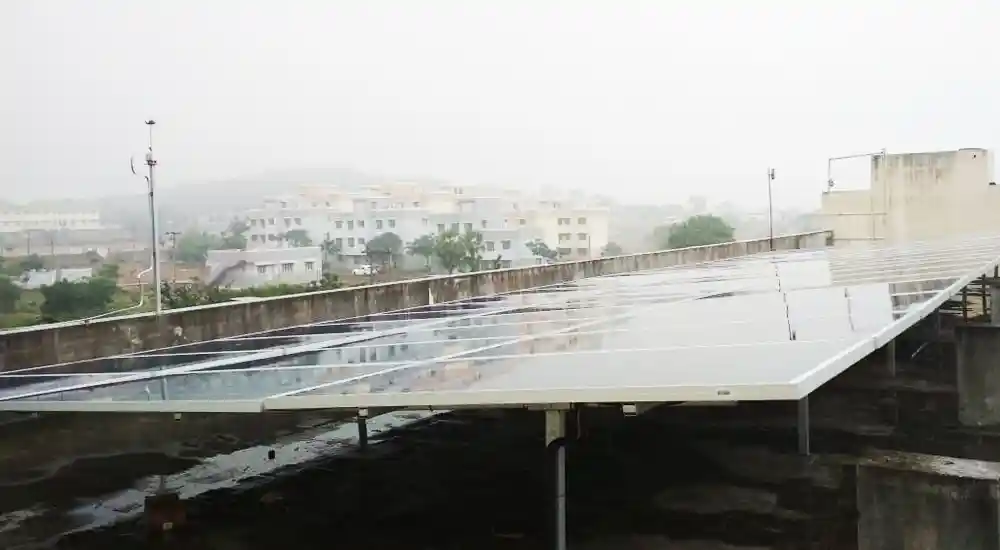
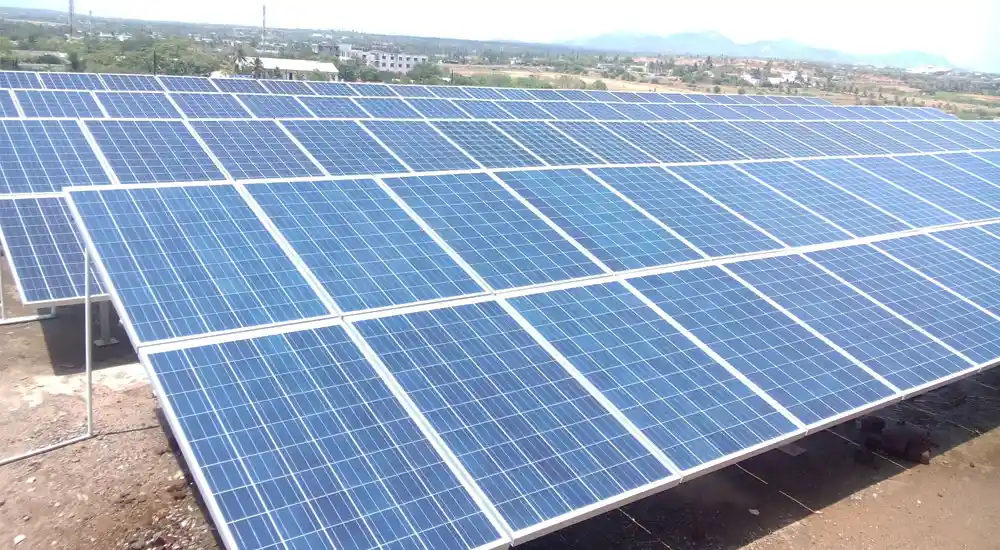
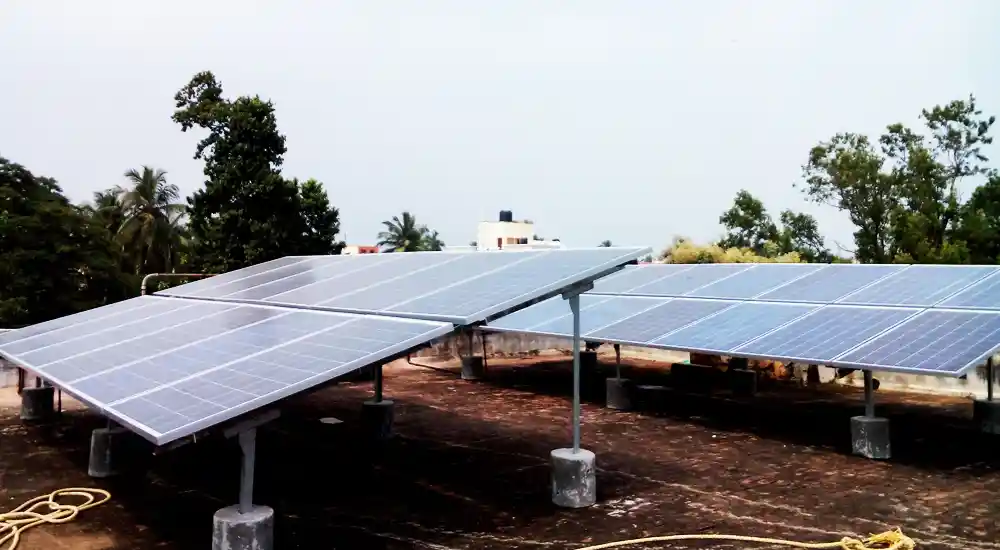
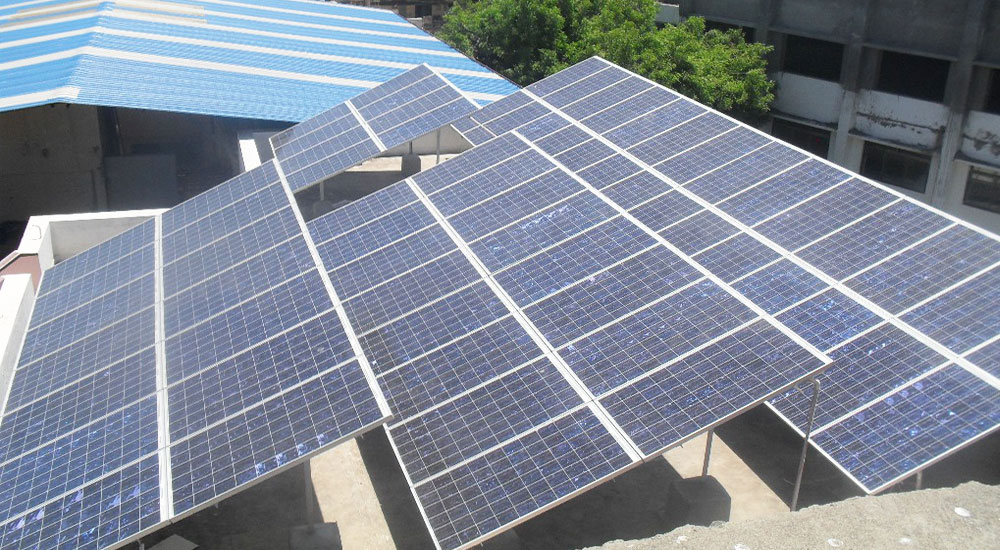
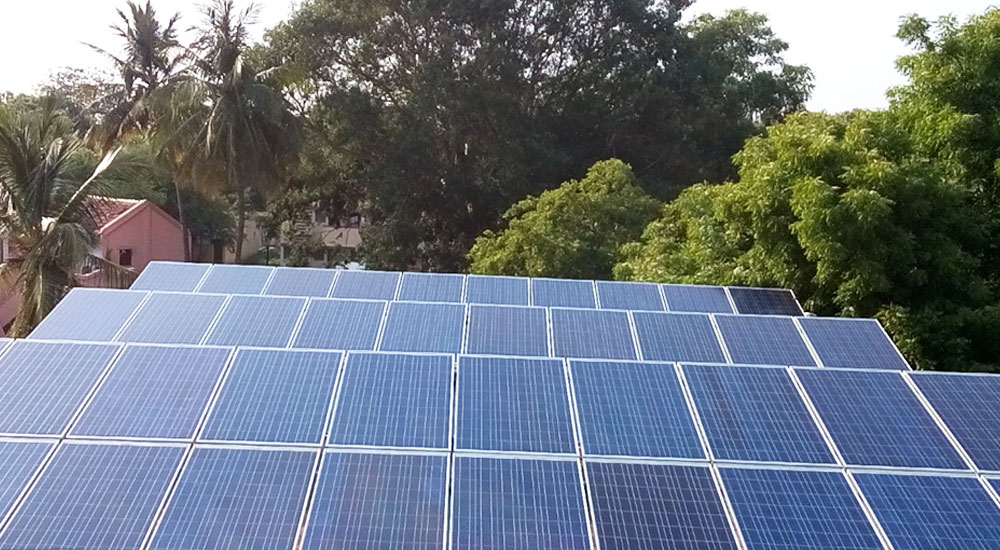
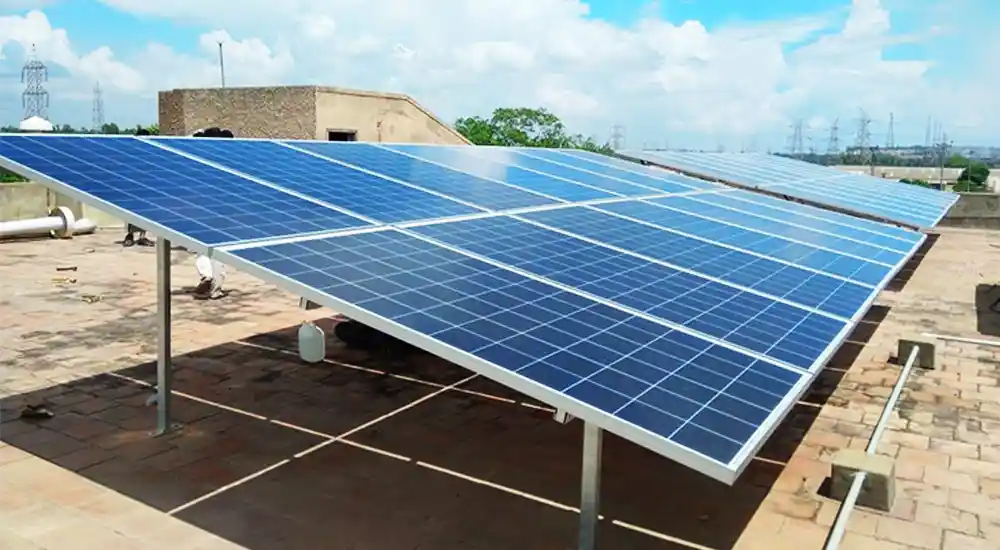
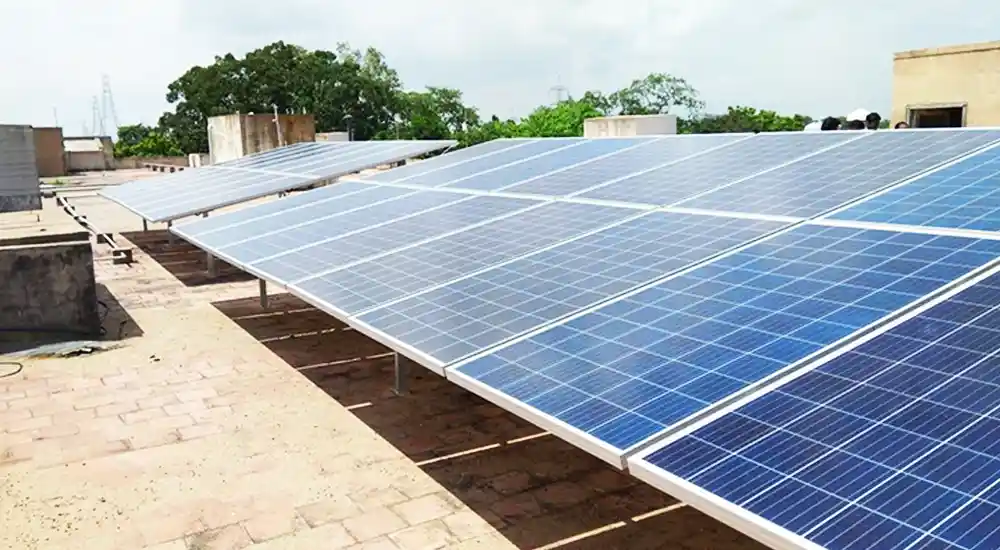
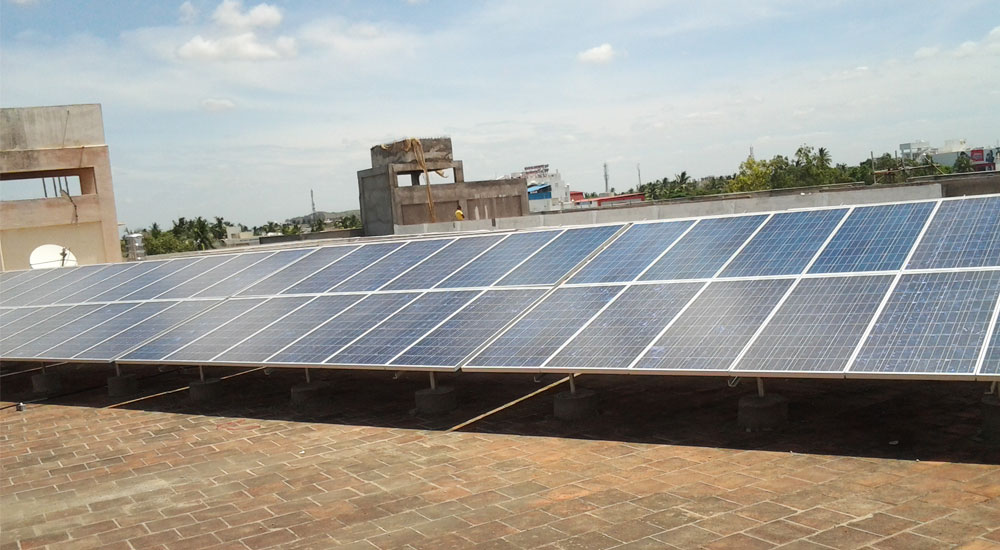
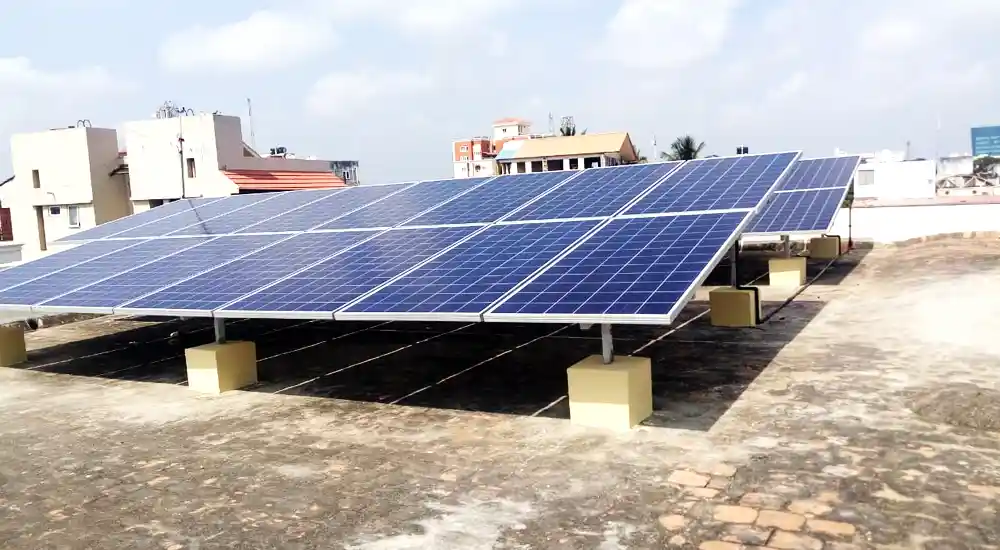
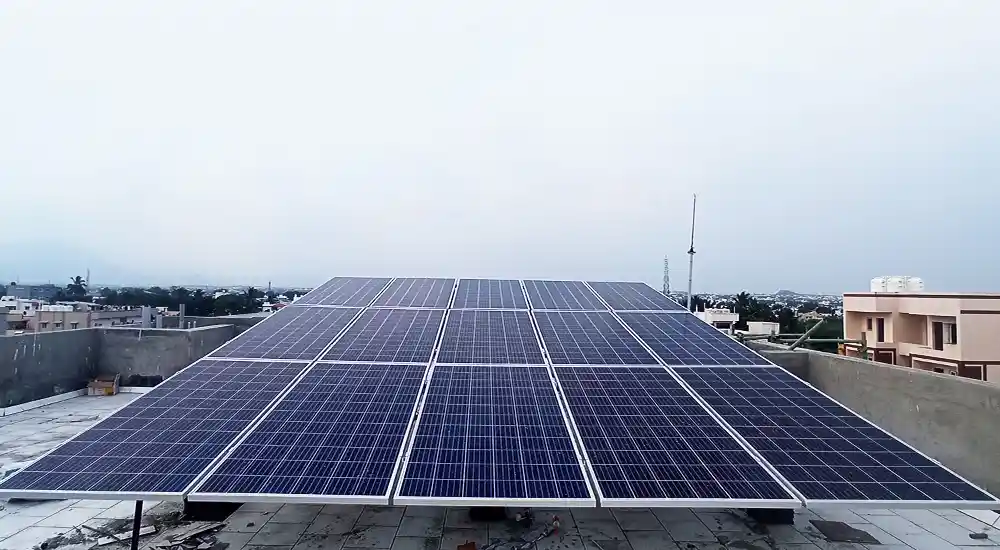
The solar energy revolution is here, and businesses are discovering how to harness the sun’s energy to reduce energy costs while also becoming more environmentally friendly. From manufacturing facilities to retail stores, commercial rooftop solar systems will change the way you power your business. If you’re considering installing a commercial rooftop solar system, be sure to check out this comprehensive guide.

Benefits of Rooftop Solar for Businesses

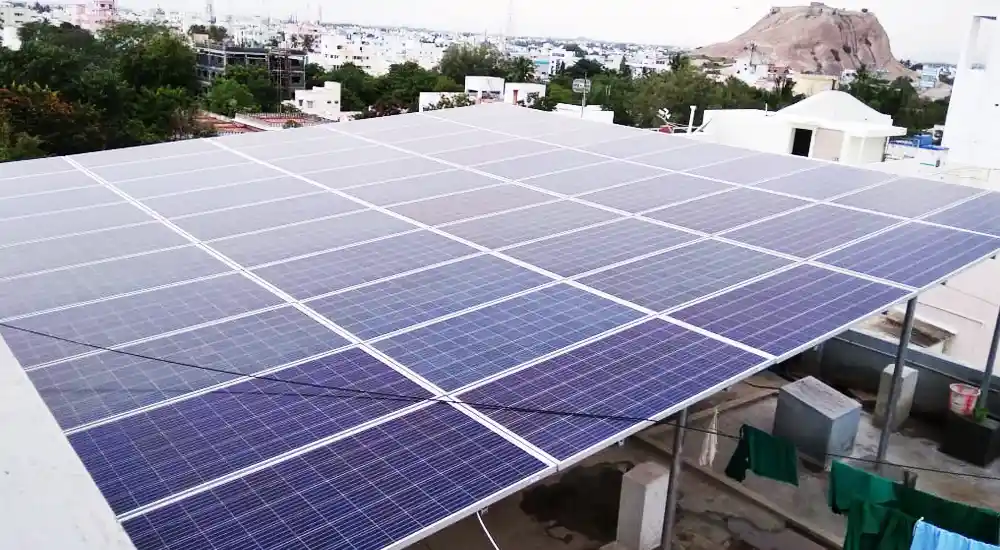
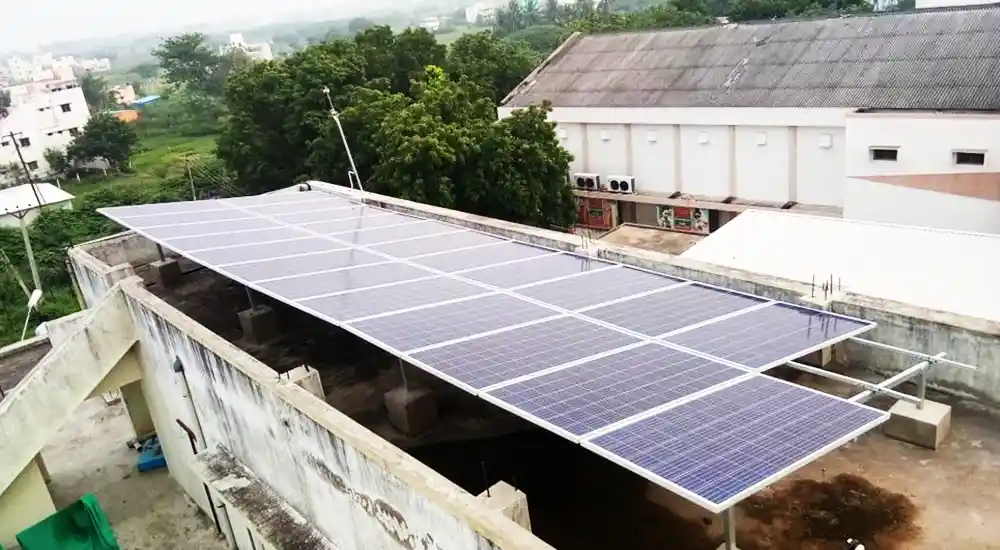
Switching to commercial rooftop solar delivers immediate and long-term wins. For starters, commercial rooftop solar installations will result in immediate savings on electrical expenses ranging from 50%-70%. The money saved on your power bill can be used to reinvest in growing your business.

In addition to saving money, businesses can improve their corporate brand image to attract clients through an environmentally-friendly reputation. Rooftop solar energy companies typically provide guarantees of energy independence, so your company will no longer have to worry about the effects of grid outages or increased grid tariffs. In a country like India where the cost of electricity is continuing to rise, switching to solar energy is reliable and provides peace of mind.

Types of Solar Panels for Commercial Buildings

Not all panels are created equal, especially for sturdy commercial rooftops.
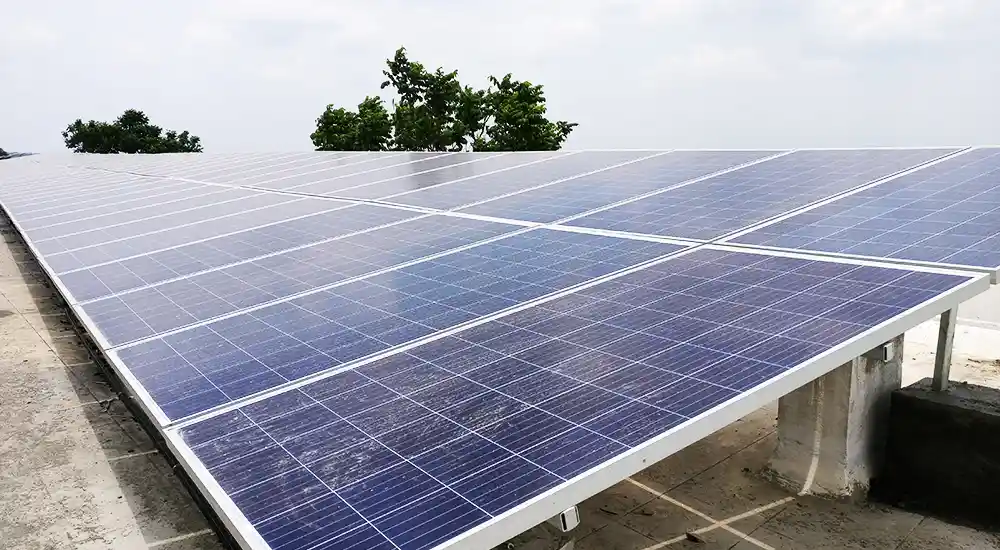
The various types of solar panels for commercial buildings include: monocrystalline panels, polycrystalline panels, PERC, Thin film, and bifacial.

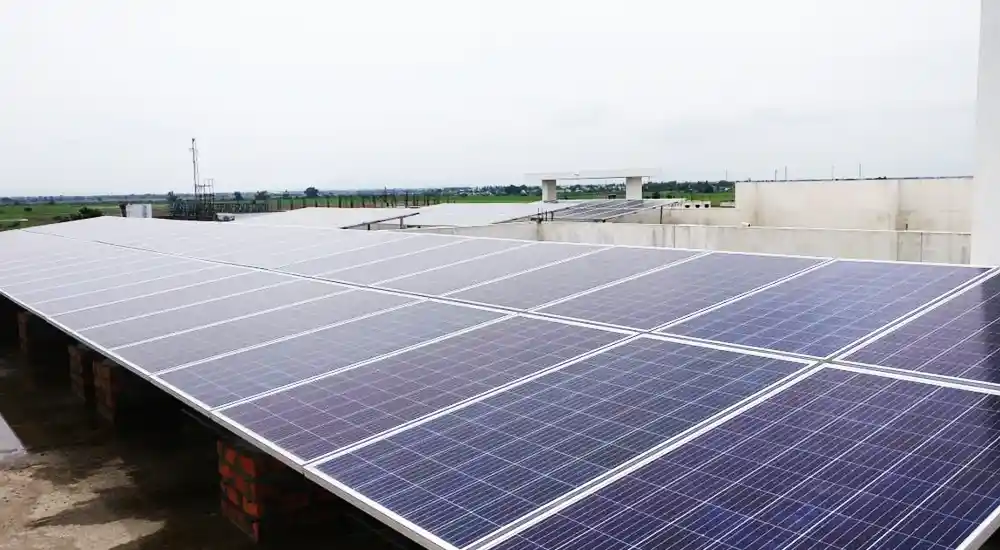
Monocrystalline panels are one of the most used panels for their super efficiency (up to 22% conversion rate). They are compact, and perfect for limited roof space on high-rises or warehouses.

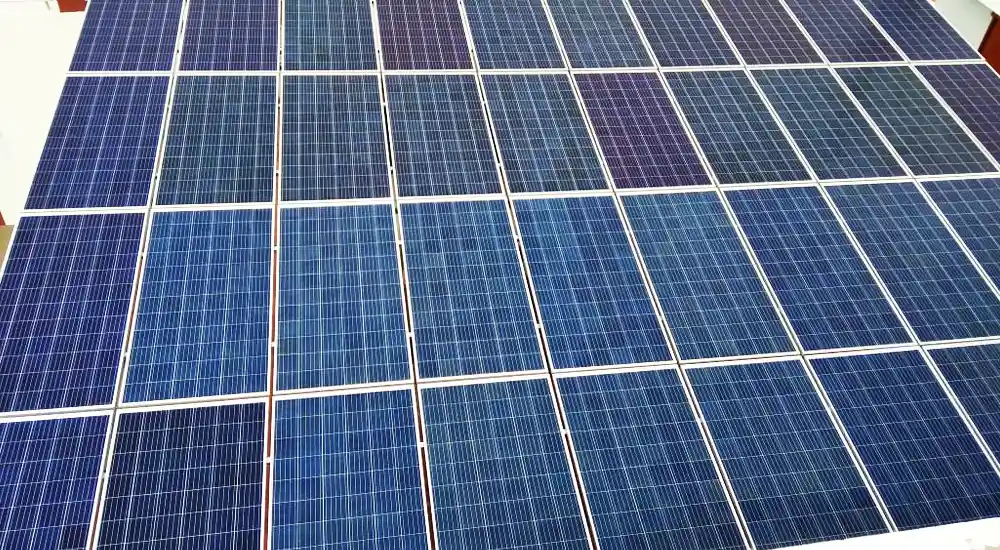
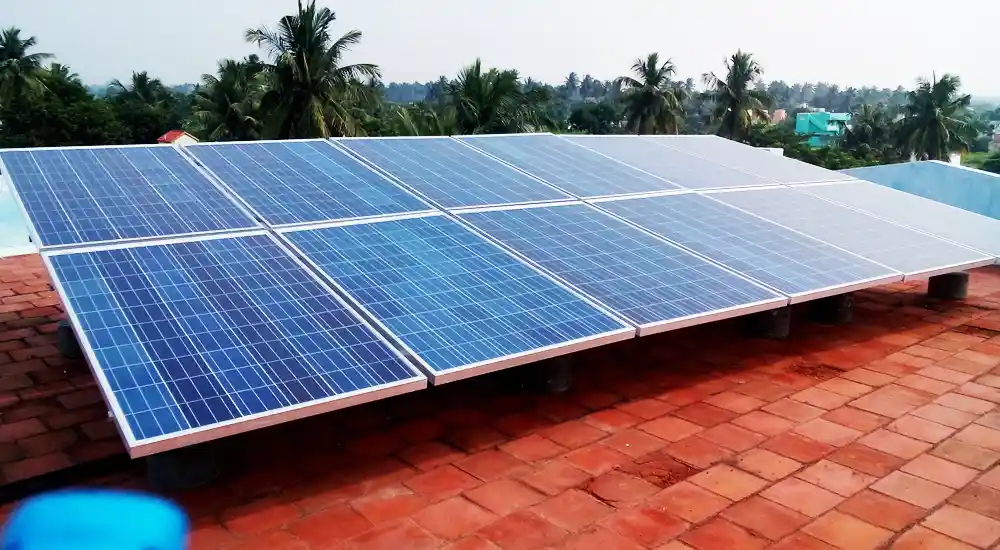
Polycrystalline solar panels are inexpensive, with good efficiency ratings between 15% and 18%. They work best on larger, more level roofs such as factory buildings.

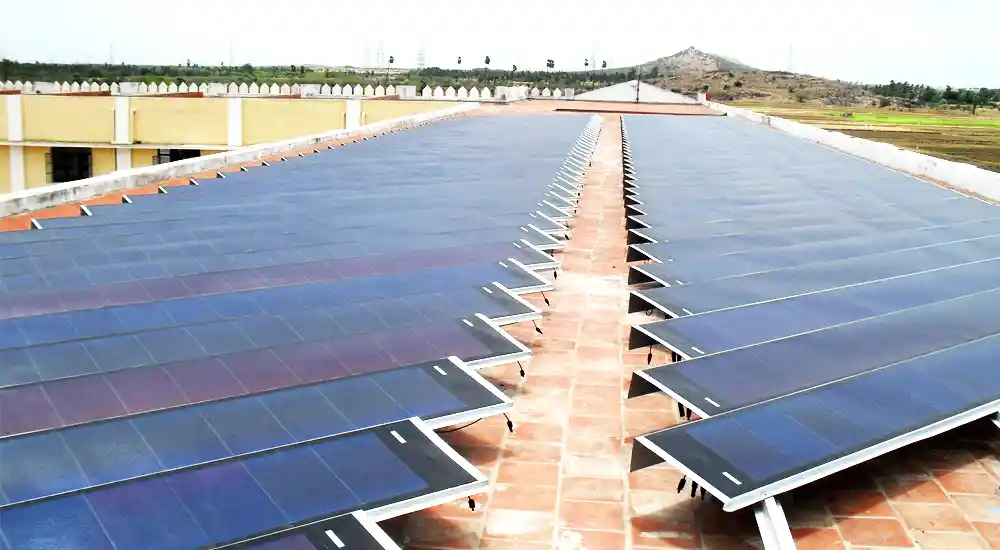
Thin-film solar panels work well on roofing shapes that are not flat or are located in a hot climate. However, they are not as efficient as polycrystalline panels.

Hybrid bifacial solar panels are becoming more popular in commercial rooftop applications as they can absorb sunlight from two sides, allowing for greater electrical generation.

For best results, consult with KCP Solar team to find the right product for your roofing pitch, orientation, and weight capacity.

Key Factors: Experience, Certifications, and Maintenance

Installer Experience: Finding an installer experienced with commercial projects who has completed 5 years or more of commercial project installations is important to avoid costly mistakes.

Certifications: Look for MNRE certified companies (Carbon Reducing Technology) and ISO 9001/IEC rated manufacturers. If possible, ask for references from previous customers to confirm the quality and safety of the solar energy systems being sold before you buy.

Maintenance: Maintenance is a low effort, high reward activity. At a minimum, your solar energy system should have its panels cleaned at least once every 3 months and have an annual checkup for the wear and tear of the system.

Government Subsidies and Tax Benefits

There are many tax breaks and government incentives available to help with your solar energy installation. India’s PM Surya Ghar Program and MNRE grant businesses up to 30% off the benchmark price when installing solar power systems. However, the exact amount depends on the state’s policy.

Commercial businesses can also depreciate their investments by 40% in the first year of the solar installation. Consequently, helping businesses to save more and invest faster in rooftop solar systems.

Installation Process Explained

Getting your commercial rooftop solar energy system up-and-running is a simple process. Here’s a step by step outline below:

Site Assessment: This is typically done free of charge and consists of assessing your rooftop for optimal sunlight, structural integrity, and any potential shading.

Design and Approvals: The next step will be to create a custom blueprint for your system.

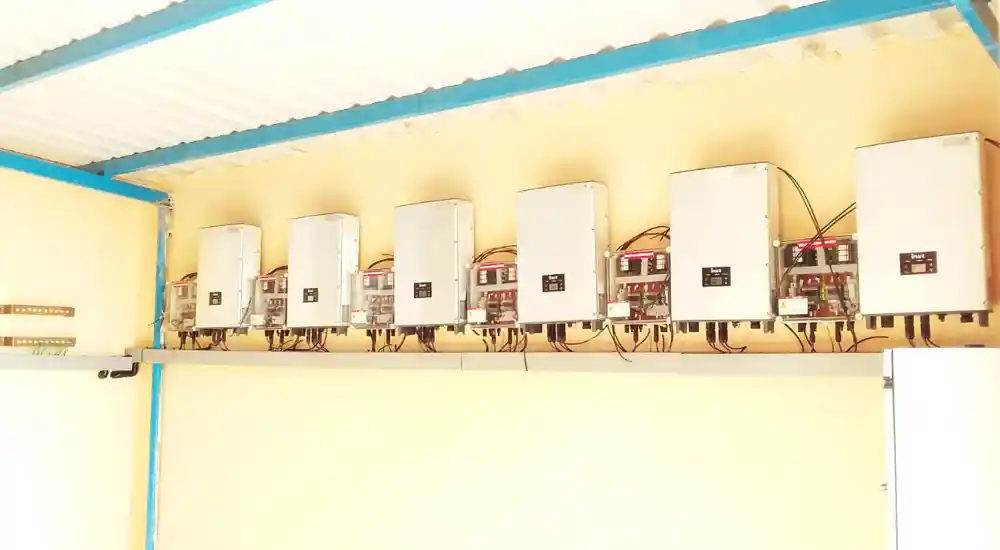
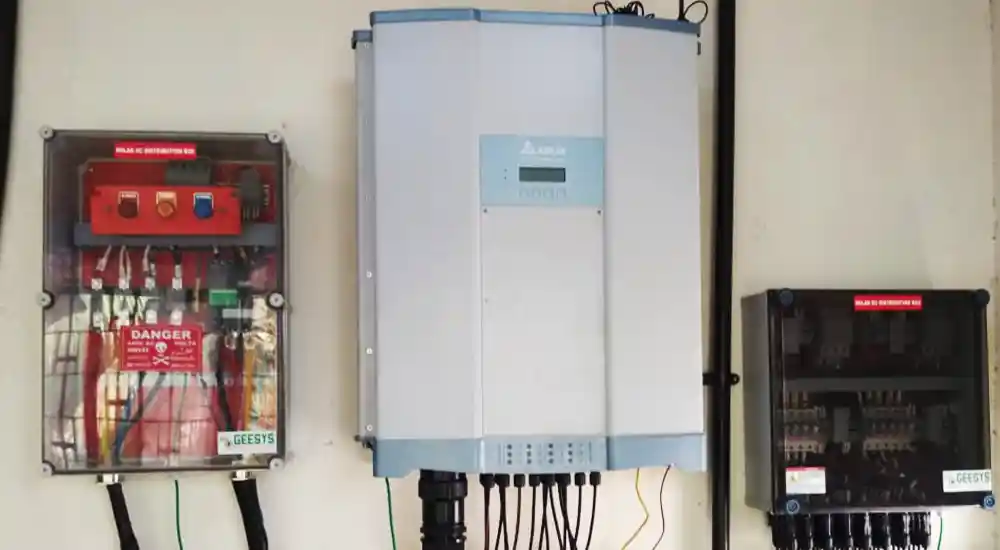
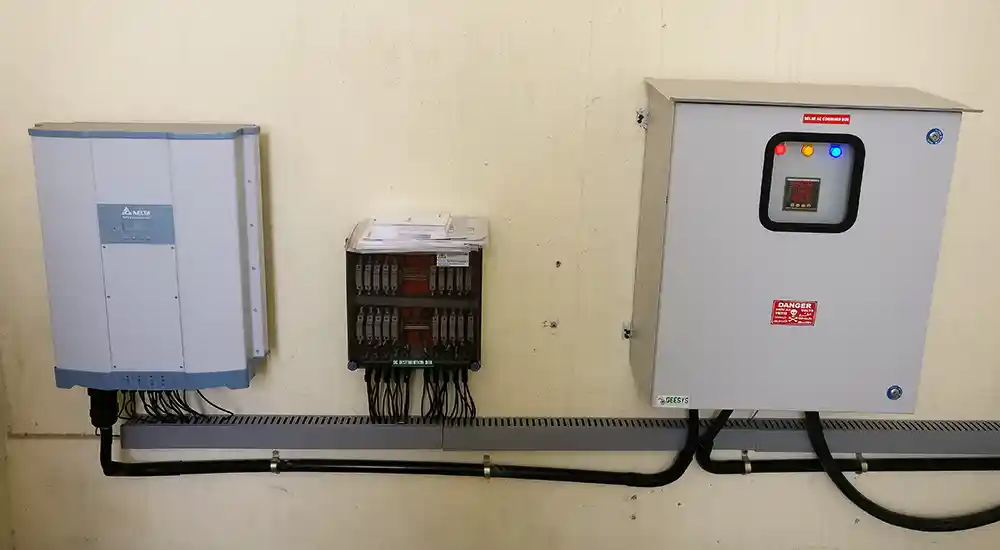
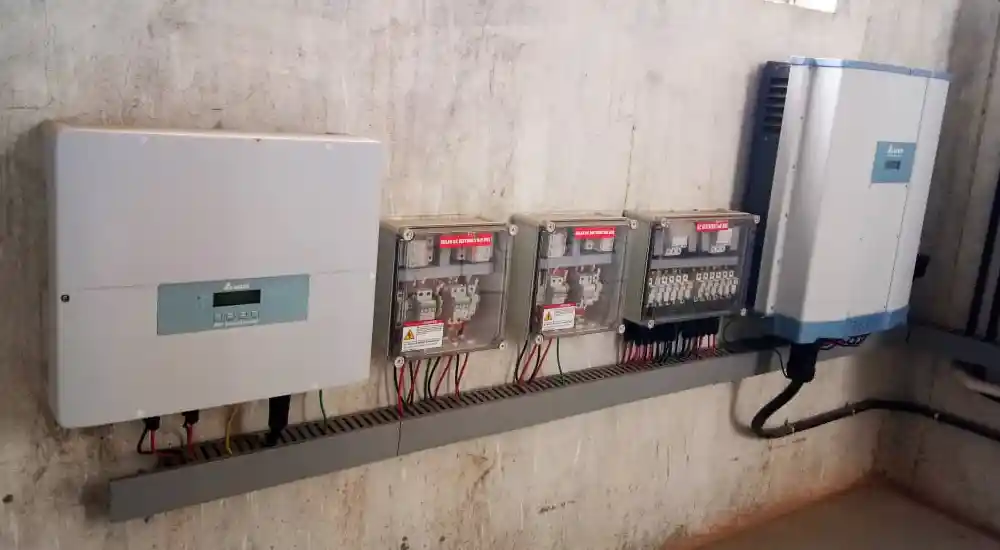
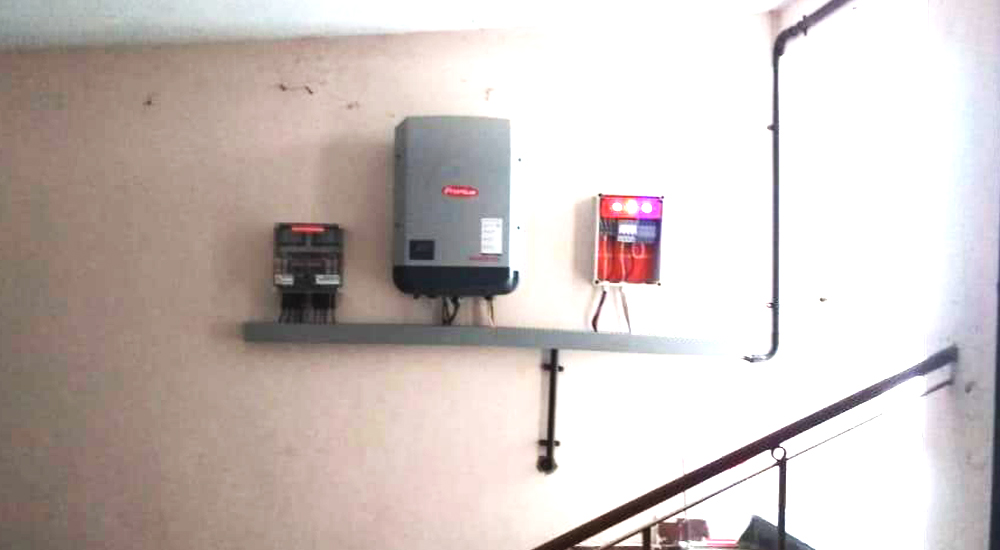
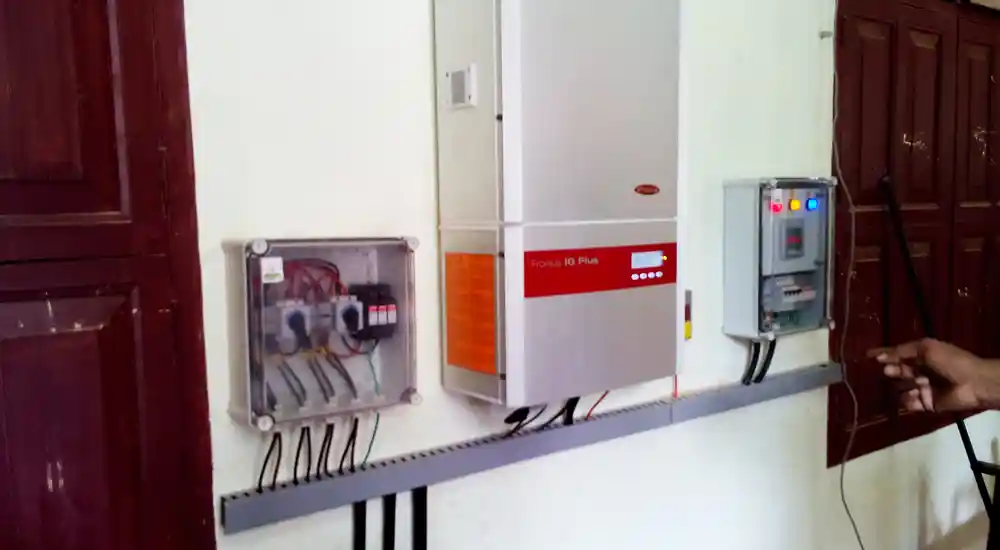
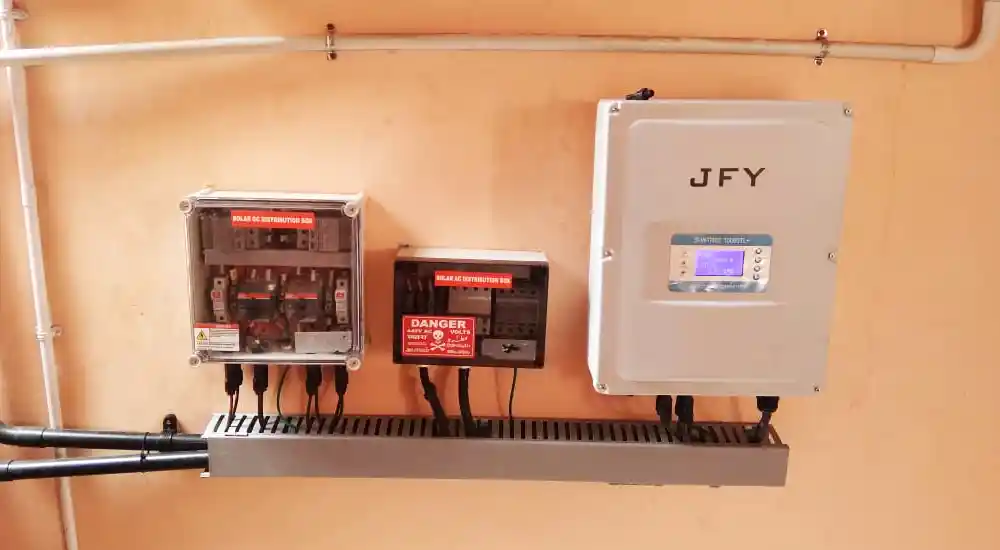
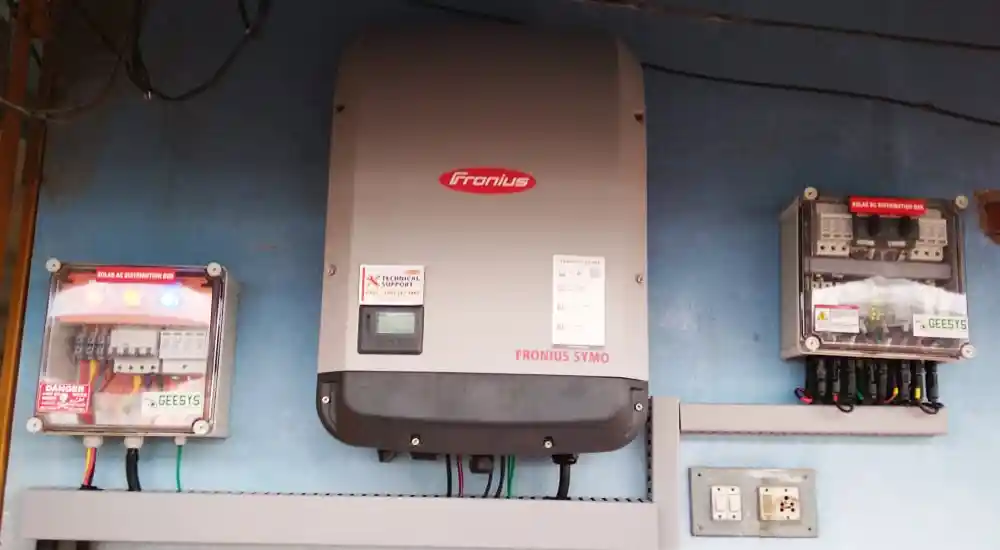
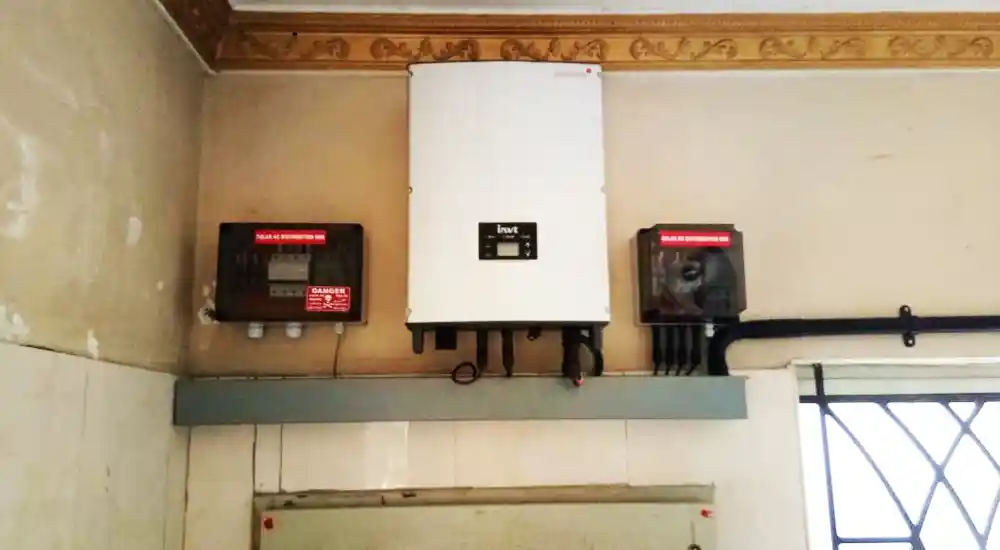
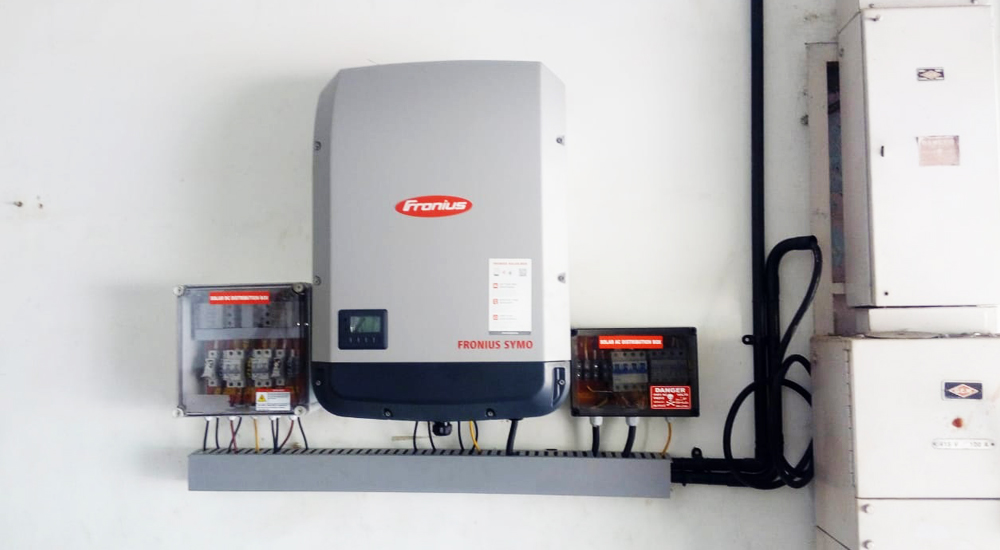
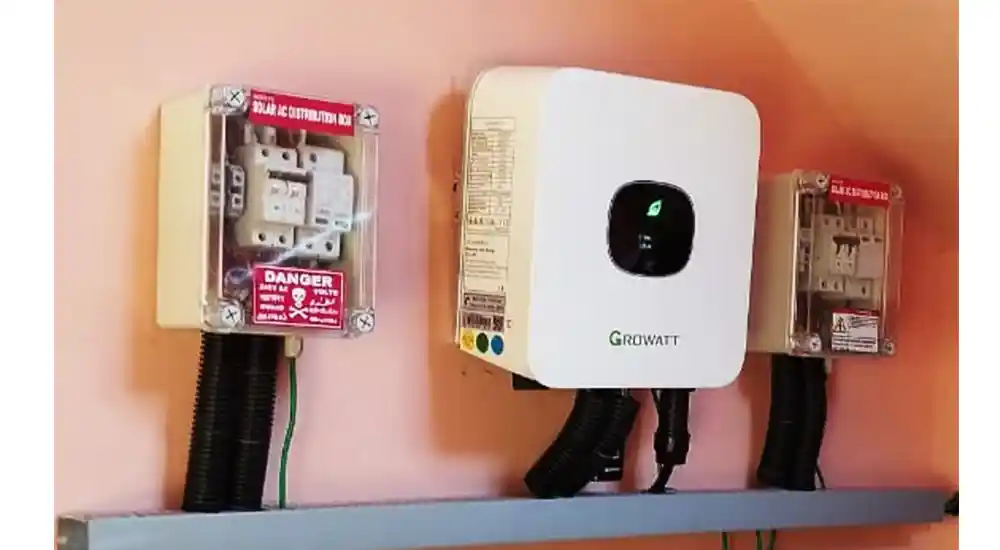
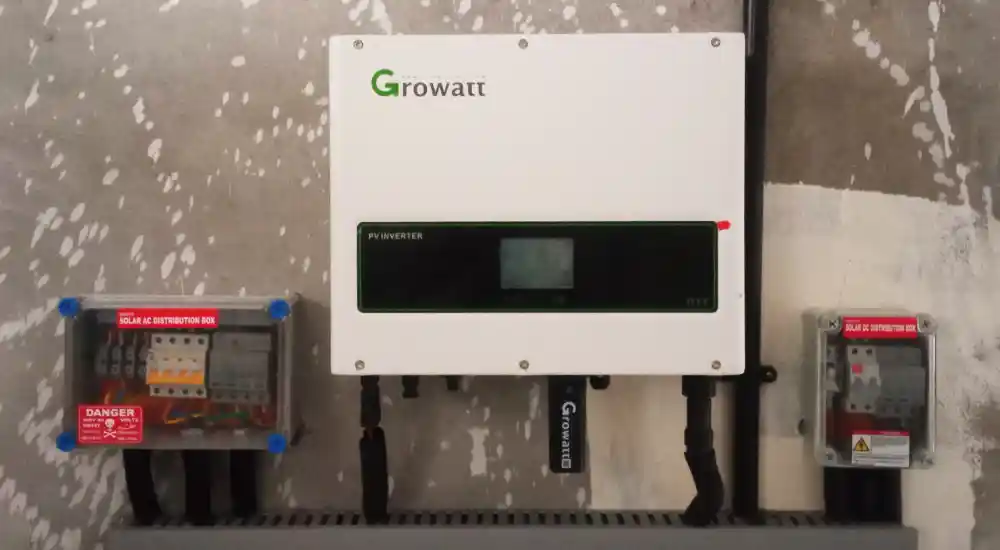
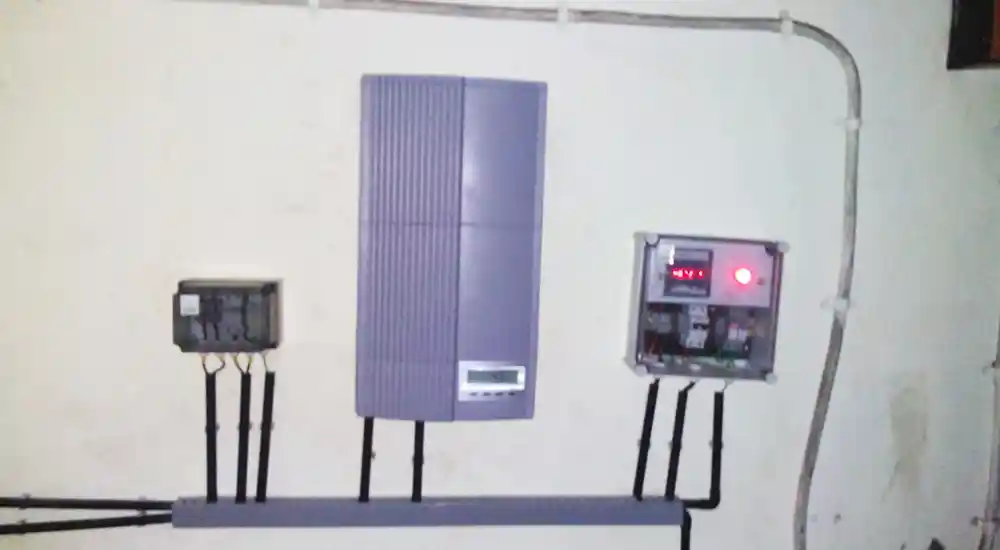
Procurement and Preparation: This step involves choosing the best solar panels, inverters, mounting equipment, and roof reinforcements.

Installation: Installing the solar panels, wiring, and testing takes.

Commissioning: Final inspections to verify that your system has been connected to the grid and you’re generating electricity.

The Importance of Regular Maintenance

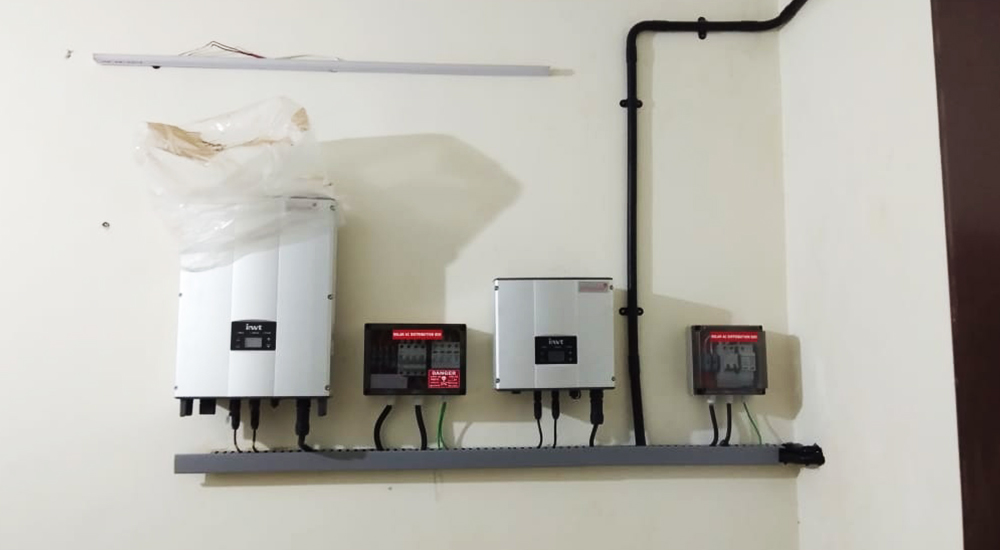
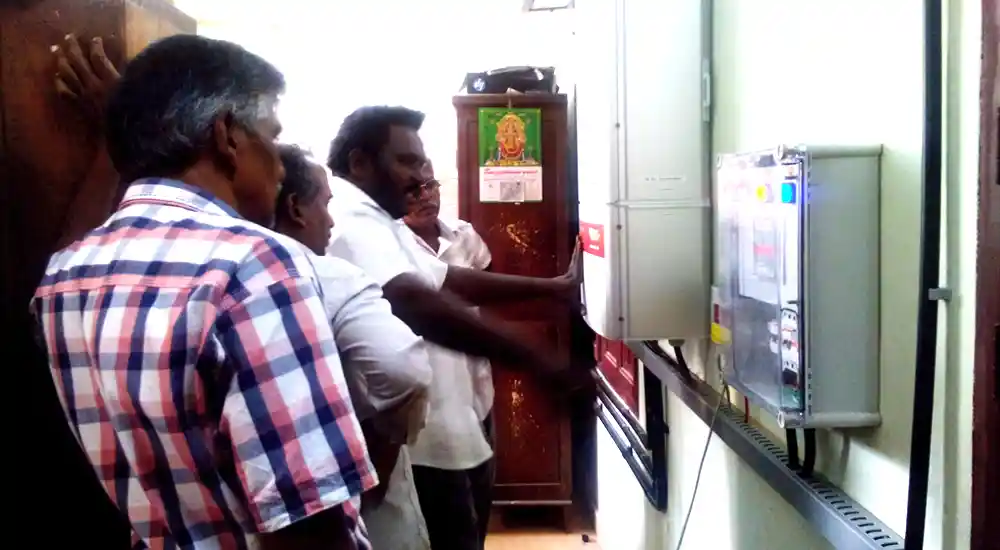
Rooftop solar systems require regular inspections to prevent inverter failure and decline in solar production each year.
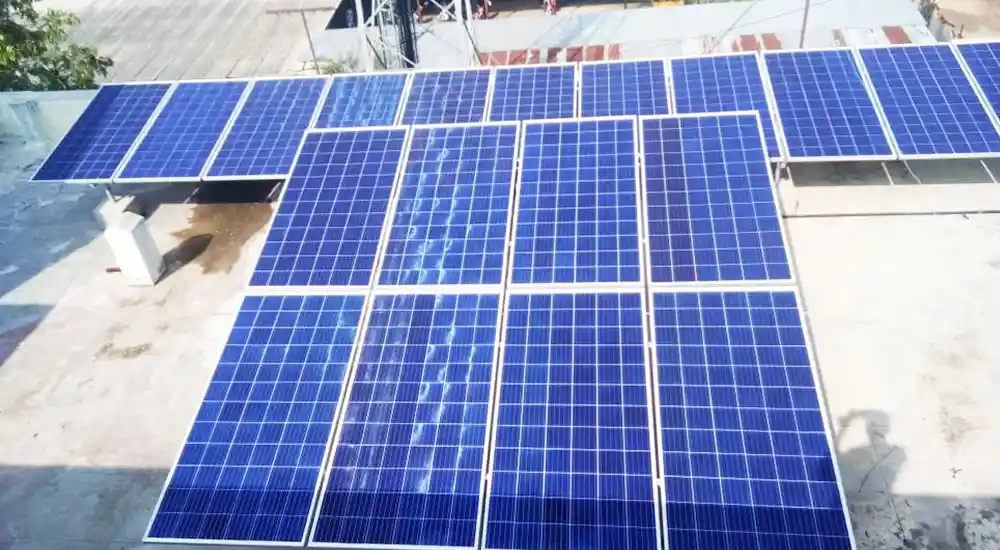
To maximise your system’s performance and uphold manufacturer’s warranties, it is essential to schedule two professional inspections each year (one each 6-month intervals). Regular maintenance provides an opportunity for early identification and avoids expensive and unnecessary repairs.
Conclusion

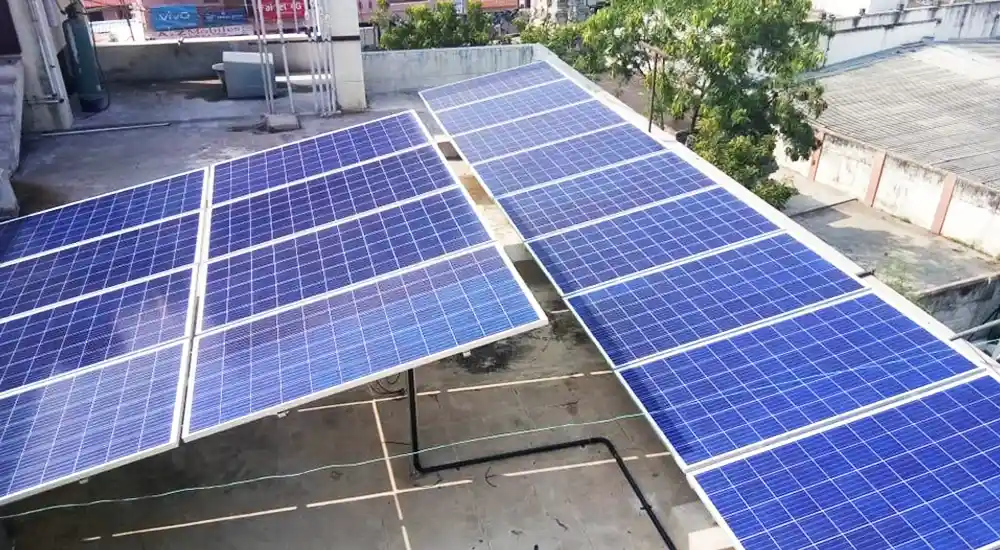
commercial rooftop solar is more than just a financial savings, sustainability, and resiliency solution; it is a long-term strategic advantage your company can implement. Your business will benefit from clean energy and be free of the stress associated with the negative aspects of traditional energy, all by partnering with a professional solar team like ours.