
September 8, 2026
Rooftop Solar for Apartment Owners: A Complete Guide to Going Solar in Multi Unit Buildings
September 08, 2026
Introduction
Rooftop solar isn't just for single family homes anymore. As electricity costs climb and sustainability becomes a priority for residents and property managers alike, more apartment owners are exploring rooftop solar installations. If you own or manage an apartment building, understanding how solar works in a multi-unit setting can help you cut energy costs, boost property value, and attract eco-conscious tenants.
This guide breaks down everything apartment owners need to know about rooftop solar, from benefits and costs to installation models and common challenges.
Why Rooftop Solar Makes Sense for Apartment Buildings
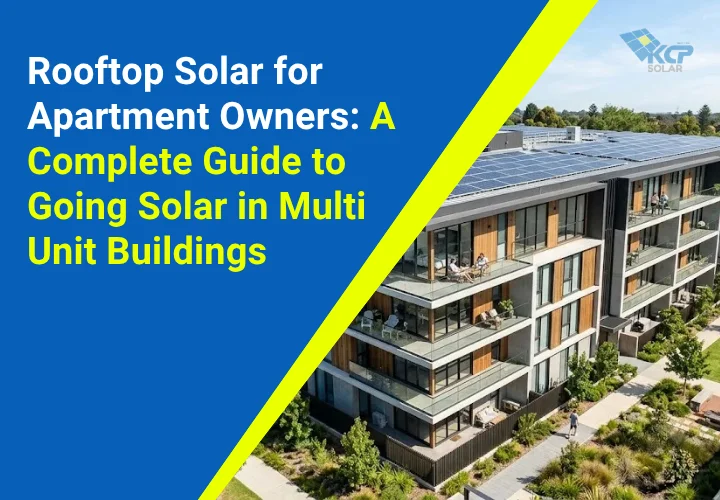
Apartment buildings typically have large, flat or gently sloped rooftops that are ideal for solar panel installations. Unlike single-family homes, apartments can host bigger solar arrays that generate significant power, benefiting either the building's common areas or multiple individual units.
Here are the top reasons apartment owners are turning to solar:
- Lower operating costs: Solar energy can offset electricity used for lighting, elevators, water pumps, and other common-area systems.
- Increased property value: Buildings with solar installations are often more attractive to buyers and investors due to reduced long-term energy expenses.
- Tenant appeal: Renters increasingly prefer eco-friendly buildings, and lower utility bills can be a strong selling point.
- Government incentives: Many regions offer tax credits, rebates, or accelerated depreciation benefits for commercial and residential solar installations.
- Sustainability goals: Solar reduces a building's carbon footprint, helping owners meet green building certifications or local sustainability mandates.
Types of Rooftop Solar Models for Apartments
Not all apartment solar setups work the same way. Depending on your building's structure, ownership model, and local regulations, you can choose from a few different approaches.
1. Common Area Solar
This model powers only shared spaces like hallways, lobbies, parking lots, and elevators. It's the simplest option because it doesn't require splitting energy production among individual tenants, and the owner directly benefits from reduced common-area utility bills.
2. Community Solar or Shared Solar Programs
In some regions, apartment owners can participate in community solar programs, where the building's rooftop hosts panels that feed into a shared grid. Tenants can then subscribe to receive credits on their individual electricity bills, even without direct access to the panels.
3. Individual Metering Solar
For buildings with separately metered units, solar energy can be distributed proportionally to each apartment. This requires more complex wiring and metering infrastructure but allows tenants to enjoy direct solar savings.
Key Factors to Consider Before Installing Rooftop Solar
Before committing to a rooftop solar project, apartment owners should evaluate several important factors:
- Roof Condition and Structural Capacity Older roofs may need reinforcement or replacement before solar panels can be installed. A structural assessment ensures the roof can safely support the additional weight.
- Local Regulations and HOA Rules Zoning laws, building codes, and homeowners' association restrictions can affect whether and how solar panels can be installed. Always check local permitting requirements early in the planning process.
- Shading and Roof Orientation Nearby buildings, trees, or rooftop equipment can cast shadows that reduce solar efficiency. A professional site assessment will determine the best placement and orientation for maximum sunlight exposure.
- Financing and Incentives Research available solar incentives, tax credits, and financing options in your area. Many governments offer subsidies specifically for multi-family and commercial properties to encourage renewable energy adoption.
- Maintenance Responsibilities Decide who will handle maintenance and repairs — the property owner, a solar leasing company, or a third-party maintenance provider — before signing any agreements.
Steps to Get Started with Rooftop Solar
- Conduct a rooftop and energy audit to understand your building's solar potential and current energy usage.
- Get quotes from multiple solar installers who specialize in multi-family or commercial properties.
- Explore financing options, including loans, leases, PPAs, or government incentive programs.
- Choose the right solar model common area, community solar, or individual metering based on your building's needs.
- Install and monitor performance using energy management software to track savings and system efficiency over time.
The Long-Term Payoff of Rooftop Solar for Apartments
While the upfront investment can seem significant, rooftop solar typically pays for itself within 5 to 10 years through energy savings, tax incentives, and increased property value. Beyond the financial benefits, solar installations position apartment buildings as forward-thinking, sustainable properties in an increasingly eco-conscious rental market.
For apartment owners looking to modernize their properties, reduce operating costs, and appeal to environmentally aware tenants, rooftop solar is no longer a luxury —it's a smart, strategic investment.
Final Thoughts
Rooftop solar for apartment buildings offers a unique opportunity to combine sustainability with profitability. By understanding the different solar models, evaluating your building's specific needs, and taking advantage of available incentives, apartment owners can successfully transition to clean energy while boosting their bottom line.
Whether you manage a small multi-unit building or a large apartment complex, now is the time to explore how rooftop solar can work for you.
Latest Post

Rooftop Solar for Apartment Owners: A Complete Guide to Going...

Solar for Hospitals & Healthcare Facilities in India
August 5, 2026